
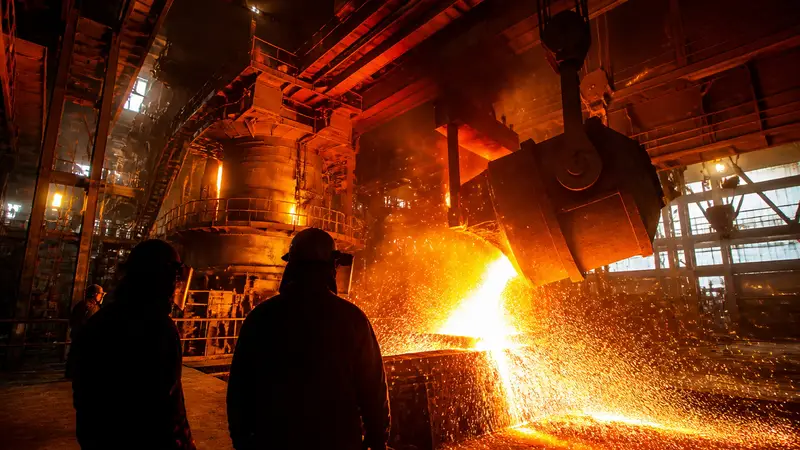
Steel manufacturing is one of the most demanding industrial environments for air pollution control. Every production stage—from raw material handling and sintering to blast furnace operation, steelmaking, continuous casting, and material conveying—generates large volumes of dust, fumes, and fine particulate matter. These emissions not only affect environmental compliance but also influence equipment reliability, workplace safety, and production efficiency.
Advanced Dust Collection Solutions for Steel Plants

Dust Collection Solutions for Steel Plants
Reliable Filtration Systems for High-Temperature, High-Dust Steel Production
Challenges
Challenges of Dust Collection in Steel Plants
Steel production exposes dust collection systems to conditions that are far more severe than those found in many other industries. A filtration system must operate continuously while handling extreme temperatures, abrasive particles, corrosive gases, and fluctuating process conditions.
Common challenges include:
High flue gas temperatures reaching 180°C–280°C or higher
Large concentrations of abrasive iron oxide dust
Spark and hot particle generation
Acid gases such as SO₂ and NOx
High moisture during certain production processes
Continuous 24/7 plant operation with limited maintenance windows
Strict environmental emission regulations
Choosing the wrong filter media or an improperly designed dust collector often leads to premature bag failure, increased pressure drop, higher compressed air consumption, and costly production interruptions.
Our engineering team evaluates these operating conditions before recommending the most suitable filtration solution.
Typical Applications
Typical Dust Collection Applications in Steel Manufacturing

Complete Equipment
Complete Dust Collection Equipment for Steel Plants
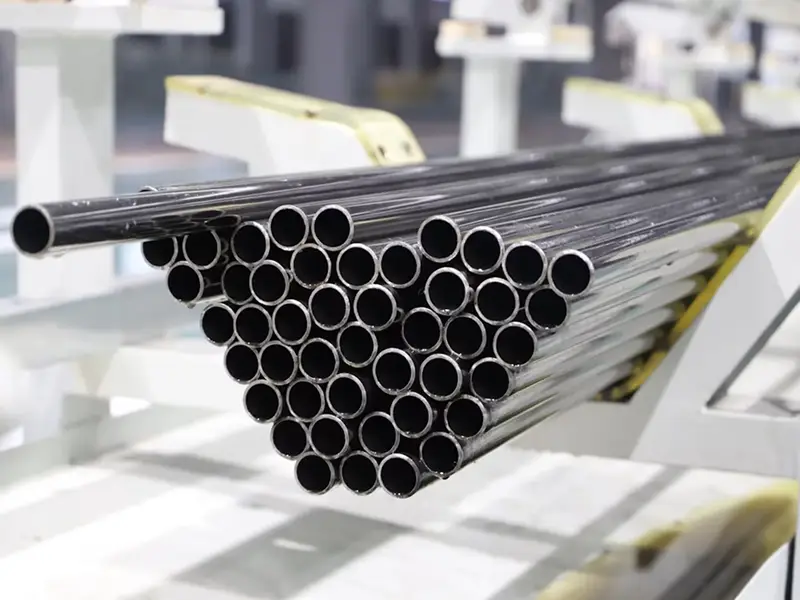
In addition to filter bags, we manufacture complete industrial dust collection equipment designed for heavy-duty steel production.
Our solutions include:
Pulse jet baghouse dust collectors; Reverse air dust collectors; Cartridge dust collectors; Cyclone pre-separators; Dust conveying systems; Ash discharge equipment; Filter cages; Venturi tubes; Solenoid valves; Pulse controllers; Screw conveyors; Rotary airlock valves.
Every system can be customized according to airflow volume, dust concentration, available installation space, and emission standards.
Advantages
Why Steel Manufacturers Choose Our Solutions
CONTACT US
Talk to an expert
Contact us today to discuss your steel plant dust collection requirements and discover how our filtration solutions can help improve efficiency, reduce maintenance, and achieve reliable long-term performance.