STEP 1
Polypropylene Material
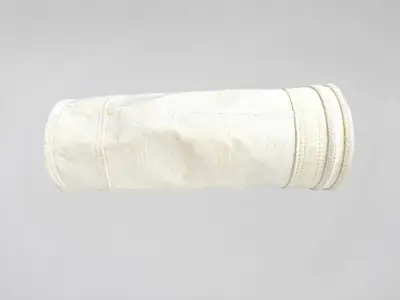
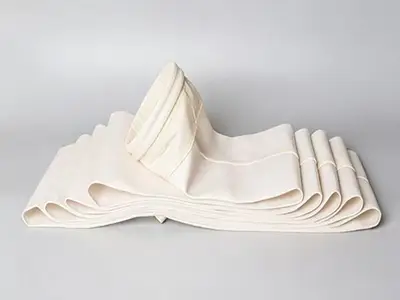
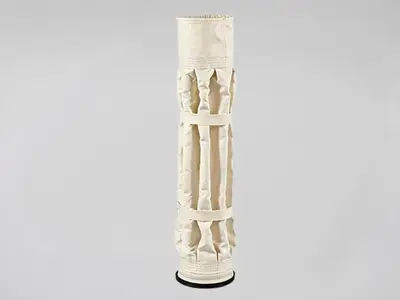
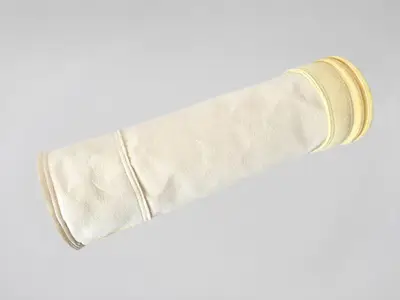
Our filter bags are made from polypropylene, known for its high strength and resistance to chemicals, making them ideal for tough industrial applications.
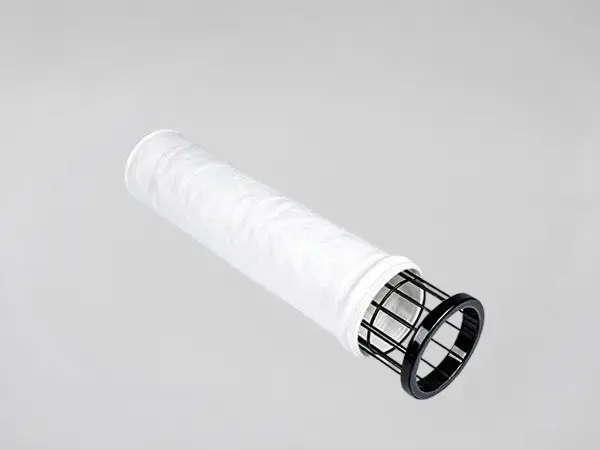
Water- and oil-repellent coated filter bags are made from polyester needle-punched felt as the base material, which is then coated with a microporous PTFE membrane and treated with water- and oil-repellent finishes. The coating creates a smooth surface with small, uniform pore sizes, enabling “surface filtration” that resists dust clogging.
Water- and oil-repellent coated filter bags are made from polyester needle-punched felt as the base material, which is then coated with a microporous PTFE membrane and treated with water- and oil-repellent finishes. The coating creates a smooth surface with small, uniform pore sizes, enabling “surface filtration” that resists dust clogging. The product typically has a basis weight of 500–600 g/m², a thickness of approximately 1.8–2.1 mm, and an air permeability ranging from 8-15 m³/m²·min, with high filtration efficiency (emission concentration as low as ≤20 mg/Nm³).
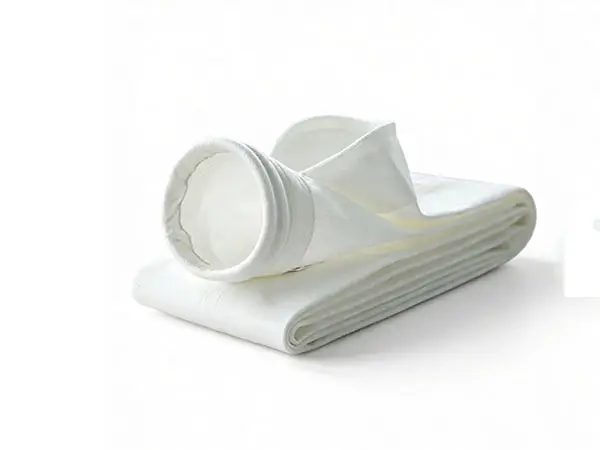
Its continuous operating temperature generally does not exceed 130°C, with a short-term temperature resistance of 150°C, and it offers excellent dust release properties and cleaning efficiency. These filter bags are suitable for high-temperature, high-humidity flue gas conditions in industries such as cement, steel, and chemicals, where the gas contains high moisture content, trace amounts of oil, or poses a risk of static electricity. They effectively prevent filter bag clogging and extend service life.
Principle of Operation
The fiber surface is modified using fluorinated polytetrafluoroethylene (PTFE) emulsion additives to reduce surface energy and create a lotus-leaf effect; water droplets and oil mist cannot wet the fibers, and dust is less likely to absorb water and cake together, thereby alleviating filter bag clogging under condensation conditions.
⚠️ Note: “Three-Protection” Impregnation ≠ PTFE Coating
Two-Protection Impregnation: The fibers are modified throughout, resulting in deep-layer filtration;
PTFE Coating: A thin film is bonded to the surface, resulting in purely surface filtration.
Advantages
Suitable Applications
Cement plant coal mills, raw material silo dust collection, blast furnace coal injection, grain processing, chemical drying dust, dust collectors with slight condensation, and environments with humidity between 60% and 85% where there is no significant liquid oil mist.
| Needle Felt Composition | Grammage (g/ m2) | Gauge ( mm) | Air permeability ( m3/m²/min@200Pa) | Continuous Operating Temperature(℃) | Short-Term Operating Temperature(℃) | Acid Resistance | Alkali Resistance | Abrasion Resistance |
|---|---|---|---|---|---|---|---|---|
| Water- and oil-repellent impregnation | 500-600 | 1.8-2.1 | 8-15 | ≤130 | 150 | Good | Fair | Good |