STEP 1
High-Temperature Resistance
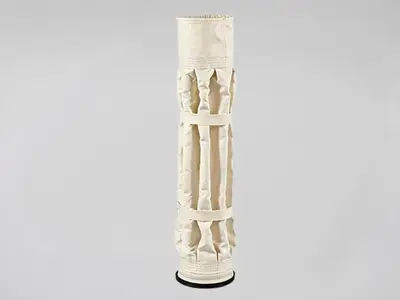
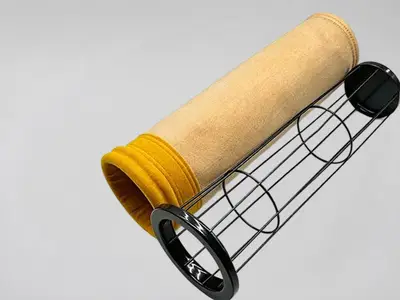
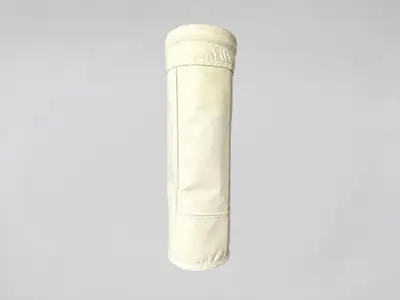
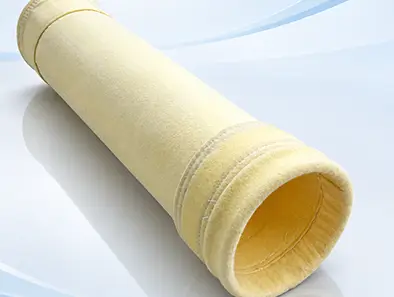
These filter bags are constructed with polyester felt, which can endure continuous temperatures up to 150°C, making them suitable for high-temperature industrial processes.
Conventional polyester needle-punched felts have a continuous operating temperature of only 130°C. If operated at temperatures exceeding this limit for extended periods, they will experience a significant loss of strength and severe shrinkage, which in turn leads to dimensional changes in the filter bags and a decline in filtration efficiency.
Conventional polyester needle-punched felts have a continuous operating temperature of only 130°C. If operated at temperatures exceeding this limit for extended periods, they will experience a significant loss of strength and severe shrinkage, which in turn leads to dimensional changes in the filter bags and a decline in filtration efficiency.
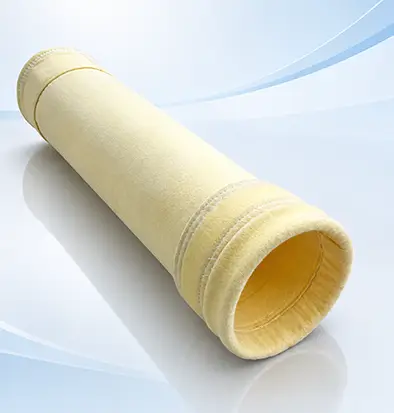
Our company’s sub-high-temperature series of needle-punched felts, produced using a special manufacturing process, feature a glass fiber woven fabric as the base fabric, combined with high-quality polyester and PPS, and acrylic as the surface layer. It features high tensile strength, low elongation at break, low thermal shrinkage, and moderate heat resistance. Capable of withstanding operating temperatures ranging from 150°C to 170°C, it addresses the shortcomings of standard filter media—which lack sufficient heat resistance—and high-temperature filter media—which are excessively costly—thereby significantly reducing operating costs. It is currently widely used in industries such as emery and coal chemical processing.
Three-layer gradient composite structure:
Alkali-free glass fiber woven base fabric (reinforcement layer) + double-sided polyester (PET) needle-punched felt surface layer (filtration buffer layer)/PPS surface layer/acrylic surface layer + surface-laminated PTFE microporous membrane
Exceptional dimensional stability (key selling point)
Pure polyester filter bags are prone to stretching and deformation under negative pressure, temperature fluctuations, and repeated pulsing forces. In long filter bags, this can cause the bag bottom to rub against the hopper or lead to contact between bags, resulting in short circuits and dust leakage. The built-in glass fiber base fabric skeleton has low thermal shrinkage and minimal elongation, making it suitable for long filter bags ≥4 m and high-vacuum dust collectors.
Balances Flexibility and Strength
The internal glass fiber provides tensile strength; the outer layer of polyester felt wraps around the glass fiber, preventing direct dust impact on the glass fiber yarn and mitigating the brittleness inherent in pure glass fiber filter fabric. Compared to pure glass fiber woven fabric, it is better suited for pulse-jet cleaning operations.
Inherent Advantages of PTFE Coating
Surface filtration achieves a filtration efficiency of ≥99.99% for 0.3 μm dust particles, with stable ultra-low emissions of ≤5 mg/m³; dust adheres only to the surface of the film, allowing for thorough pulse-jet cleaning and minimizing the risk of dust embedding or filter bag clogging; can be combined with water-repellent, oil-repellent, and anti-static modifications to accommodate humid, flammable, and explosive dusts.
Cost-Effective Compromise Solution
Performance exceeds that of standard pure polyester membrane-coated filter media; price is lower than that of glass fiber-based PPS membrane-coated composite filter media; suitable for applications with occasional short-term temperature spikes but where long-term operating conditions do not exceed 150°C–170°C, serving as a replacement for pure polyester.
| Needle Felt Composition | Grammage (g/ m2) | Gauge ( mm) | Air permeability ( m3/m²/min@200Pa) | Continuous Operating Temperature(℃) | Short-Term Operating Temperature(℃) | Acid Resistance | Alkali Resistance | Abrasion Resistance |
|---|---|---|---|---|---|---|---|---|
| Glass 80‑count fiberglass woven scrim + Polyester fiber surface layer needle‑punched felt+PTFE Membrane | 750 | 2.3 | 6‑12 | ≤150 | 180 | Excellent | Good | Good |