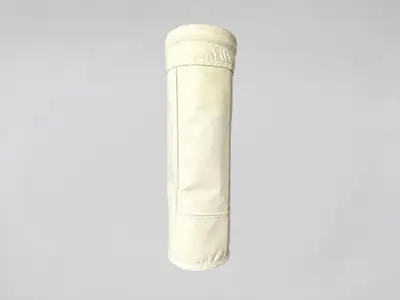
Polyester-Coated Bags

Polyester-Coated Bags

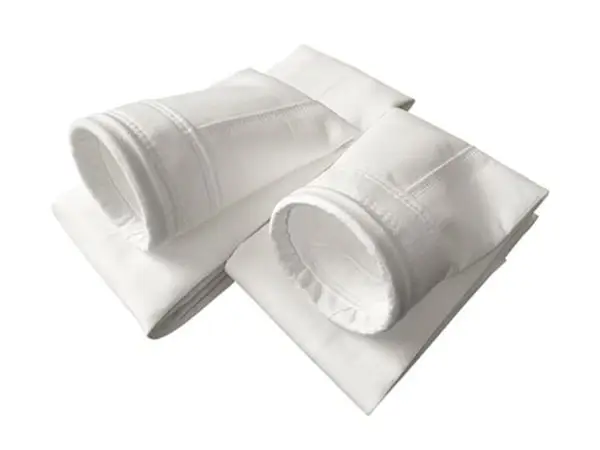
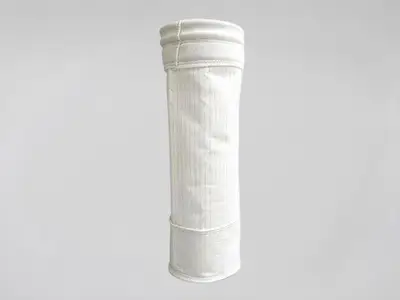
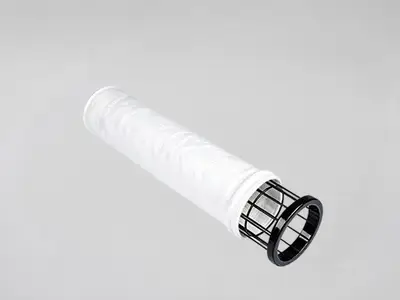
Polyester-coated filter bags use high-strength polyester needle-punched felt as the base material. Through a hot-melt coating process, a layer of microporous polytetrafluoroethylene (PTFE) film is bonded to the surface, thereby achieving highly efficient surface filtration.

Customization Service:
Specifications and dimensions can be customized according to customer requirements.

Polyester-Coated Bags Introduciton

Polyester-coated filter bags use high-strength polyester needle-punched felt as the base material. Through a hot-melt coating process, a layer of microporous polytetrafluoroethylene (PTFE) film is bonded to the surface, thereby achieving highly efficient surface filtration. The core advantage of this product lies in its smooth PTFE membrane, which effectively traps fine dust particles, achieving a filtration efficiency of over 99.99%. At the same time, dust is easily dislodged, ensuring excellent cleaning performance, which significantly reduces operating resistance and extends the service life of the filter bags. In terms of applicable operating conditions, its continuous operating temperature typically does not exceed 120–130°C, with a short-term temperature resistance of up to 150°C, making it suitable for ambient-temperature flue gas treatment and dust recovery in industries such as steel, cement, chemicals, and foundries.

What is polyester needle-punched felt filter fabric?

Polyester needle-punched felt is the most widely used filter fabric in ambient-temperature dust collection applications, thanks to its versatility and high cost-effectiveness. Huading’s polyester needle-punched felt filter fabric is made from a long-fiber mesh and features fine fiber perforations on the surface; its optimal density and thickness ensure the best filtration efficiency and tensile strength.

A variety of post-treatment processes—including water and oil repellency, antistatic treatment, and PTFE membrane coating—are available to meet your specific operating conditions.

Advantages of Polyester Needle-Punched Felt Filter Fabric

  1. Excellent tensile strength
  2. Good acid resistance
  3. Good solvent resistance
  4. Cost-effectiveness
  5. Continuous operating temperature below 135°C, with a peak temperature of up to 150°C

Disadvantages of Polyester Needle-Punched Felt Filter Fabric

Polyester material is prone to hydrolysis under high-temperature and high-humidity operating conditions. Its polymer chains contain ester groups, and this structure is highly susceptible to breakage in harsh high-temperature and high-humidity environments, leading to a decline in the filter material’s performance and a shortened service life.

Applications of Polyester Needle-Punched Felt Filter Cloth:

  1. Mining
  2. Cement Industry
  3. Metal Industry
  4. Aluminum and Non-Ferrous Metals Industry
  5. Ceramics Industry
  6. Quarries
  7. Plastics Industry
  8. Milk Powder
  9. Flour Mills (used under dry conditions, with maximum temperatures up to 150°C)

Key Performance Advantages

STEP 1

Superior Moisture & Gas Barrier

The integrated polyester coating forms a non-porous seal that prevents ambient humidity, water vapor, and oxygen from reaching sensitive contents. This extends shelf life for dry ingredients, hygroscopic chemicals, and agriculture products.

STEP 2

Puncture & Tear Resistance

Combining woven fabric durability with a tough polyester surface creates high tensile strength. These bags withstand rough handling, stacking stress, and abrasion during transit without tearing or seam failure.

STEP 3

UV & Weather Stability

Polyester offers enhanced resistance to ultraviolet radiation compared to standard uncoated plastics. This ensures long-term structural integrity during outdoor storage or extended open-air freight exposure.

STEP 4

High-Definition Surface for Branding

The smooth, uniform finish of polyester coating provides an ideal surface for custom multi-color flexographic or gravure printing. Clear logos, safety handling instructions, and barcodes remain crisp and readable throughout logistics cycles.

Common Technical Specifications

Technology NameNon-woven dust collector bags
Woven dust collector bags
FabricPolyester
M-phenylenediamine (Nomex)
Acrylic Homopolymer
Acrylic Copolymer
Polyphenylene Sulfide (PPS)
Polyimide (P84)
Glass Fiber
Polypropylene
Polytetrafluoroethylene
Fabric CoatingOil and water resistant
Antistatic
Oil and water resistant + antistatic
PTFE coating
PTFE membrane lamination
Installation MethodSnap fasteners/neckline/cord type.
SeamSuture/Heat Sealing
Inner Diameter and Outer DiameterAccording to customer requirements
LengthAccording to customer requirements

Industry Applications

STEP 1

Mining

Primarily used for dust and particle removal during ore crushing, screening, and mineral powder conveyance. Polyester needle-punched felt offers high abrasion resistance and toughness, effectively withstanding the high-impact forces and high-concentration dust environments typical of mining operations.

STEP 2

Cement Industry

Used in dust collection systems at the tail end of cement kilns, in vertical mills, and during the packaging process. Leveraging its high porosity and excellent capture efficiency, it effectively intercepts fine cement particles at ambient and moderate temperatures, thereby improving dust collection efficiency.

STEP 3

Metal Industry

Used for dust control in processes such as raw material handling at steel mills, blast furnace tapping areas, and steelmaking batching. With its high surface smoothness and effective dust-shaking performance, it significantly reduces particulate emissions in flue gas.

STEP 4

Aluminum and Non-Ferrous Metals Industry

Used for gas-solid separation and flue gas purification in electrolytic aluminum production and copper, lead, and zinc smelting processes. Polyester needle-punched felt offers outstanding tensile strength and tear resistance, ensuring long-term, stable operation of dust collection systems.

STEP 5

Ceramics Industry

Used for dust collection in processes such as raw material grinding, spray drying towers, and green body processing. It efficiently captures extremely fine particles of slurry and glaze dust, preventing material waste and improving the workshop environment.

STEP 6

Quarries

Primarily addresses the large volumes of highly abrasive stone dust generated during stone crushing, screening, and at conveyor belt discharge points. Leveraging its superior wear resistance and puncture resistance, it significantly extends the service life of filter bags under harsh operating conditions.

STEP 7

Plastics Industry

Used for dust collection in plastic pellet conveying, pneumatic pelletizing, and batching systems. The smooth surface of the filter media facilitates dust removal, prevents clumping and blockages caused by fine plastic powder, and ensures continuous production.

STEP 8

Milk Powder Industry

Used for dust collection and material recovery in spray drying towers and milk powder packaging processes. Food-grade polyester needle-punched felt is selected to efficiently capture fine milk powder particles, reduce material loss, and ensure contamination-free and hygienic conditions.

STEP 9

Flour Mills

Specifically designed for dust collection in flour milling, flour cleaning, and pneumatic conveying systems (suitable for dry environments up to 150°C). Excellent air permeability and high-efficiency filtration prevent fine flour from clumping, while anti-static treatment effectively reduces the risk of dust explosions.

Storage & Handling Guidelines

Store unused bags in a clean, dry warehouse environment away from direct heat sources and chemical fumes. When stacking filled bags, ensure pallet bases are free of sharp protrusions, and follow recommended safe working load (SWL) stacking limits to prevent base compression.

Quality Assurance & Compliance

Our polyester-coated bags are manufactured under strict ISO quality management protocols. Every production run undergoes rigorous batch testing for seam strength, dart drop impact, burst strength, and coating adhesion to ensure zero leakage or field failures. Food-grade packaging configurations fully conform to FDA and EU raw material contact standards.

Similar Models