STEP 1
Chemical Resistance
Our Composite Needle-Punched Felt is resistant to a broad range of chemicals, including acids, alkalis, and solvents, making it ideal for use in chemical processing and other industries where chemical exposure is common.
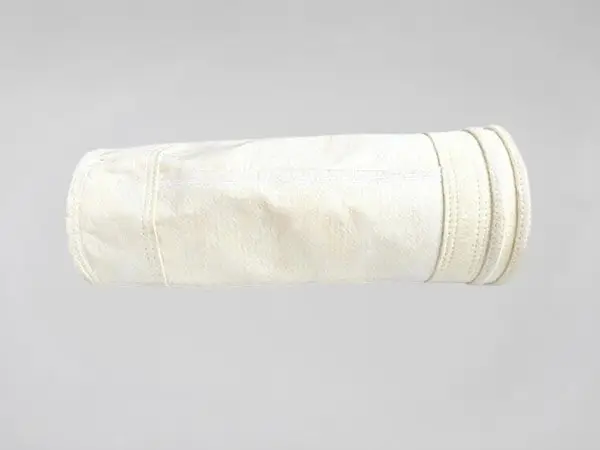
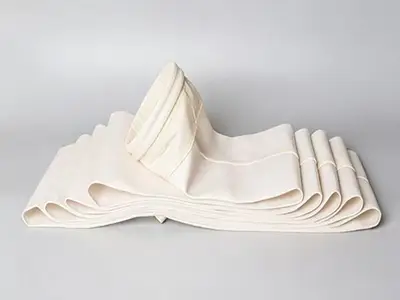
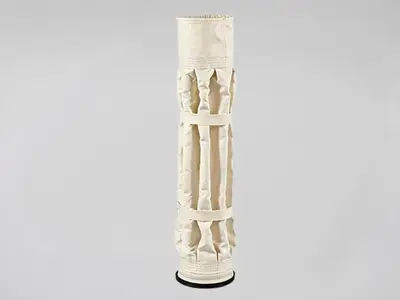
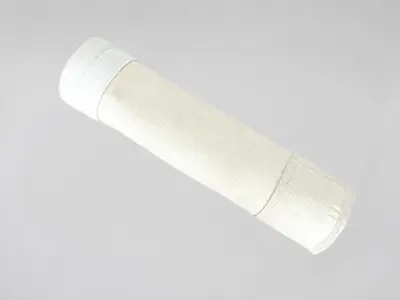
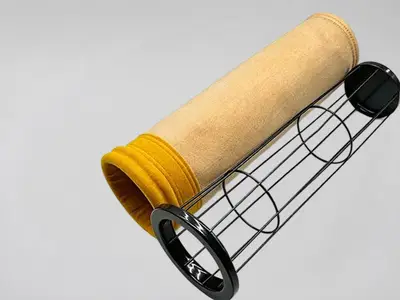
Composite high-temperature-resistant needle-punched felt (FMS) is an innovative product developed specifically for domestic operating conditions. It is produced through a layered composite process that combines two or more types of high-temperature-resistant fibers (typically a blend of inorganic and organic fibers), with the aim of achieving superior physical and chemical properties.
Composite high-temperature-resistant needle-punched felt(FMS) is an innovative product developed specifically for domestic operating conditions. It is produced through a layered composite process that combines two or more types of high-temperature-resistant fibers (typically a blend of inorganic and organic fibers), designed to achieve superior physical and chemical properties. Its production process and manufacturing technology have been granted national patents.
This series of composite needle-punched filter felts features core characteristics such as high-temperature resistance, high strength, resistance to acid and alkali corrosion, wear resistance, and fold resistance. After undergoing surface chemical treatments—including lamination, coating, and impregnation—as well as finishing processes, the felts also offer functions such as easy dust removal, water and oil repellency, and antistatic properties; A series of products is available to accommodate different temperature ranges, including 150–200°C, 200–250°C, and 250–300°C.
Compared to glass fiber filter media, these products offer significantly improved abrasion resistance, fold resistance, and peel strength. They can withstand higher filtration loads, with filtration air velocities reaching 1.0 m/min or higher, and exhibit low operating resistance: Compared to high-temperature synthetic fiber filter media, it overcomes the shortcomings of synthetic fiber filter media—such as high elongation, significant deformation, low temperature resistance, and poor corrosion resistance—and demonstrates superior dimensional stability and strength, while offering better value for money than pure high-temperature synthetic fibers.
To date, our company has developed a series of products suitable for various industries and operating conditions.
Composite High-Temperature-Resistant Needle-Punched Felt(FMS) is not a single-fiber material, but rather a needle-punched felt made from a blend of fibers. The mainstream formulation consists of glass fiber + PPS + a small amount of PTFE + aromatic synthetic fibers, making it an economical filter media suitable for medium- and high-temperature applications.
Advantages
Disadvantages
Suitable Operating Conditions
Cement kiln tail gas, lime kilns, small smelting furnaces, asphalt mixing plants, drying kilns, foundry flue gas, and refractory dust collection; flue gas temperatures of 150–200°C, 200–250°C, and 250–300°C; applications with intermittent high-temperature spikes; and projects with limited budgets.
| Needle Felt Composition | Grammage (g/ m2) | Gauge ( mm) | Air permeability ( m3/m²/min@200Pa) | Acid Resistance | Alkali Resistance | Abrasion Resistance |
|---|---|---|---|---|---|---|
| 80‑count glass fiberglass woven scrim + 70% super‑fine fiberglass + 30% Metas surface‑layer needle‑punched felt +PTFE Membrane | 800-900 | 2.6-3.0 | 4-8 | Good | Good | Fair |