Why Choose Polypropylene Filter Cloth for Your Filter Press?
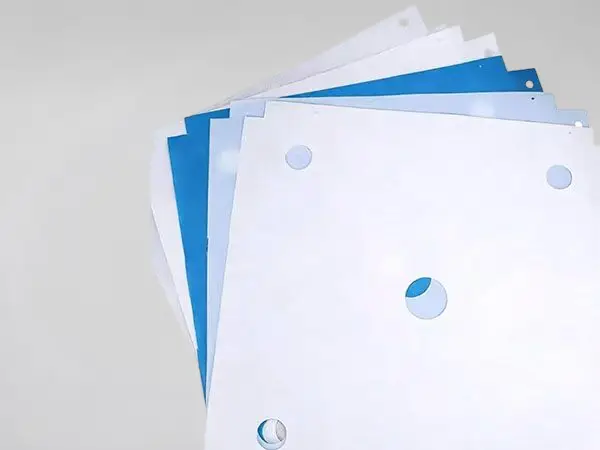
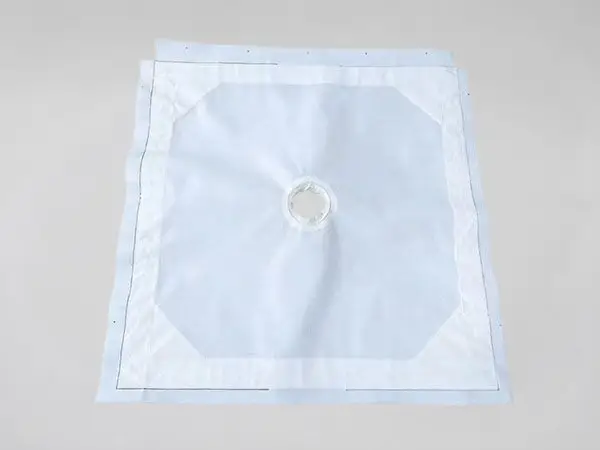
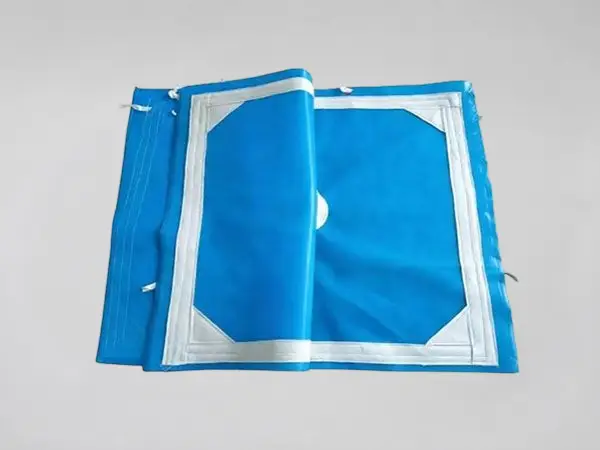
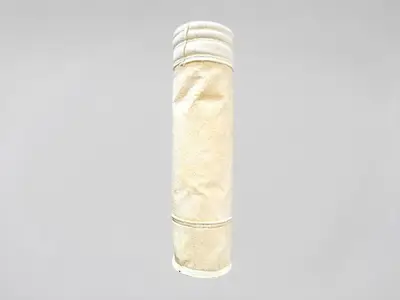
Filter cloths for filter presses are made from synthetic fibers such as polyester, polypropylene, and nylon, and are woven using plain weave, twill weave, or monofilament structures; they are the core components that determine the efficiency of solid-liquid separation.
Their technical parameters vary depending on the material and weaving method: for example, polyester staple fiber filter cloth (such as Type 3927) has a basis weight of approximately 524 g/m², a thickness of 0.9 mm, a transverse tensile strength of 4,598 N/5 × 20 cm, and an air permeability of approximately 18 L/m²· s, with a retention accuracy of less than 5 μm, making it suitable for intercepting coarse particles as large as 2,050 μm; polyester filament filter cloth (such as Type 621) offers higher filtration precision, capable of intercepting fine particles as small as 520 μm, but has lower air permeability and slower filtration rates; Nylon monofilament filter cloth (such as Type 3123) has an air permeability as high as 1,500–1,700 L/m²·s, a retention accuracy of 100–120 μm, strong abrasion resistance, and easy filter cake release.
The choice of material directly affects temperature and corrosion resistance: polyester offers good acid resistance and withstands temperatures of 130–170°C; polypropylene exhibits strong resistance to acids and alkalis but withstands temperatures of only 90°C; nylon is wear-resistant and offers excellent alkali resistance. This filter cloth is widely used for solid-liquid separation in industries such as chemicals, metallurgy, pharmaceuticals, food processing, coal washing, mining, and municipal wastewater treatment. The specific model selection requires comprehensive consideration of factors including particle size, solids content, acidity or alkalinity, and temperature.