
Industrial boilers operate under demanding conditions where high temperatures, abrasive fly ash, and corrosive gases continuously challenge filtration systems. While a dust collector can only perform as well as its filter bags, selecting the right filter media is often more complicated than comparing maximum temperature ratings.
Among the most widely used high-temperature filter materials, PPS (Polyphenylene Sulfide) and Nomex® (Aramid) each offer distinct performance advantages. Although both materials are designed for elevated-temperature dust collection, they respond very differently to moisture, acidic gases, oxidation, and long-term thermal exposure.
This guide compares PPS and Nomex from an engineering perspective to help plant managers, environmental engineers, and maintenance teams determine which filter media best matches their boiler operating conditions.
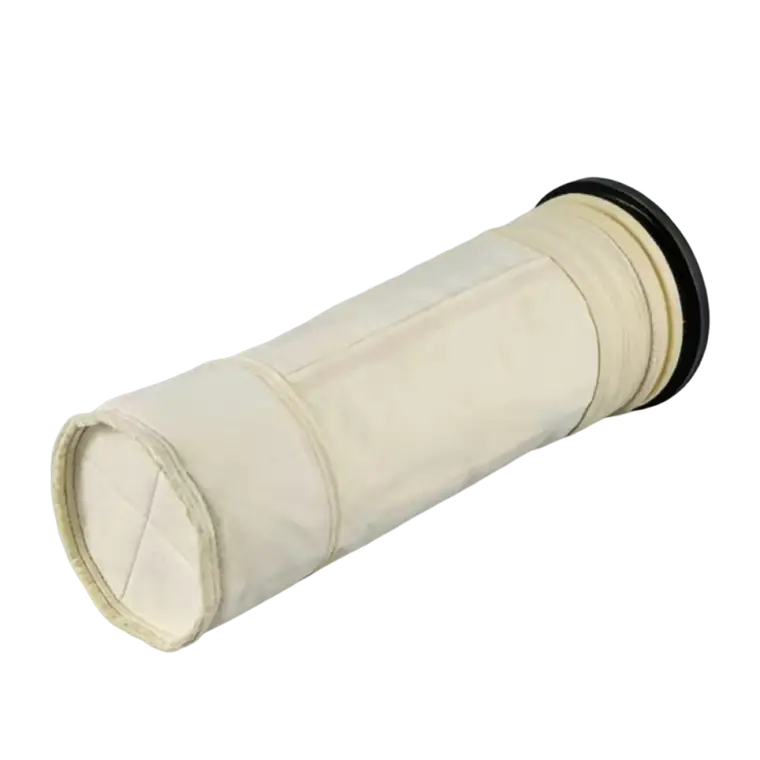
Why Filter Media Selection Matters
A filter bag is more than a simple dust barrier. It directly influences dust collection efficiency, pressure drop, maintenance frequency, operating costs, and environmental compliance.
When the wrong filter media is installed, facilities often experience:
Shortened filter bag service life
Increased differential pressure
Higher compressed air consumption
Unexpected shutdowns
More frequent bag replacements
Difficulty meeting emission standards
Because every boiler produces a different flue gas composition, there is no universal filter media suitable for every application.
Understanding PPS Filter Media
PPS (Polyphenylene Sulfide) is a high-performance synthetic fiber developed specifically for chemically aggressive filtration environments.
Many coal-fired power plants, waste-to-energy facilities, and industrial boilers rely on PPS because the material demonstrates exceptional resistance to acidic flue gases.
Key Advantages of PPS
- Outstanding Chemical Resistance
PPS performs extremely well when flue gases contain:
SO₂
SO₃
HCl
HF
Sulfur compounds
Acid condensates
For boilers burning high-sulfur coal or industrial fuels, this chemical stability significantly extends filter bag life.
- Excellent Hydrolysis Resistance
Unlike some high-temperature fibers, PPS maintains stable mechanical properties under humid operating conditions.
Boilers that frequently start and stop often produce condensation inside the baghouse. PPS tolerates these moisture fluctuations much better than many alternative materials.
- Stable Continuous Temperature
Typical operating temperature:
Continuous: 190°C (374°F)
Short-term peak: 210°C (410°F)
These temperature limits cover most industrial boiler applications.
Limitations of PPS
Despite its excellent corrosion resistance, PPS has several operating limitations.
- Sensitive to High Oxygen Levels
Oxidation gradually weakens PPS fibers at elevated temperatures.
When oxygen concentration exceeds approximately 12–15% while temperatures remain above 170°C, oxidation accelerates fiber degradation.
Facilities with excessive air leakage should carefully evaluate PPS before installation.
- Reduced Performance Above Rated Temperature
Continuous exposure beyond recommended operating temperatures causes PPS fibers to become brittle, reducing mechanical strength and shortening service life.
Understanding Nomex (Aramid) Filter Media
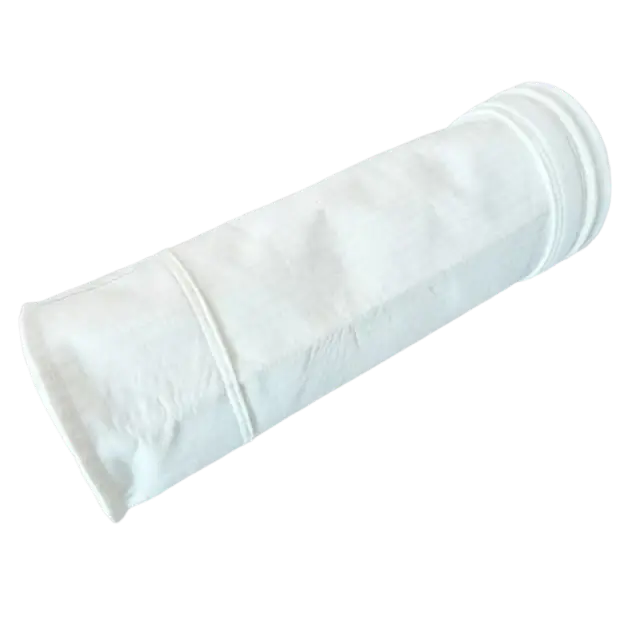
Nomex, an aramid fiber originally developed for thermal protection, has become one of the industry's most widely used filter materials for dry high-temperature dust collection.
Its greatest advantage lies in excellent thermal stability combined with strong mechanical durability.
Key Advantages of Nomex
- Excellent Heat Resistance
Nomex performs reliably under continuous operating temperatures of approximately:
Continuous: 200–204°C (392–400°F)
Short-term peak: 220°C (428°F)
Facilities operating near the upper temperature limits of conventional bag filters often choose Nomex because of its excellent thermal endurance.
- Outstanding Mechanical Strength
Nomex resists abrasion exceptionally well.
Applications involving:
High filtration velocity
Abrasive fly ash
Frequent pulse cleaning
Heavy dust loading
often benefit from Nomex's superior wear resistance.
- Good Dimensional Stability
The material maintains stable dimensions under repeated heating cycles, helping preserve filtration efficiency throughout its service life.
- Limitations of Nomex
Although Nomex excels under dry high-temperature conditions, it is less suitable for chemically aggressive environments.
- Limited Resistance to Acidic Gases
Acid hydrolysis gradually damages aramid fibers.
When flue gases contain elevated levels of sulfur dioxide or hydrochloric acid, Nomex generally ages faster than PPS.
Sensitive to Moisture
If condensation occurs inside the baghouse, hydrolysis can accelerate fiber degradation.
Facilities with poor dew point control should carefully evaluate this limitation before selecting Nomex.
PPS vs. Nomex: Side-by-Side Comparison
Continuous Temperature
PPS:190℃
Nomex (Aramid):200-204℃
Peak Temperature
PPS:210℃
Nomex (Aramid):220℃
Acid Resistance
PPS:Excellent
Nomex (Aramid):Moderate
Alkali Resistance
PPS:Excellent
Nomex (Aramid):Good
Hydrolysis Resistance
PPS:Excellent
Nomex (Aramid):Moderate
Oxidation Resistance
PPS:Moderate
Nomex (Aramid):Good
Abrasion Resistance
PPS:Good
Nomex (Aramid):Excellent
Moisture Resistance
PPS:Excellent
Nomex (Aramid):Moderate
Typical Boiler Applications
PPS:Coal-fired, biomass, waste incineration
Nomex (Aramid):Asphalt, cement, lime, metallurgy
Which Filter Media Works Better for Coal-Fired Boilers?
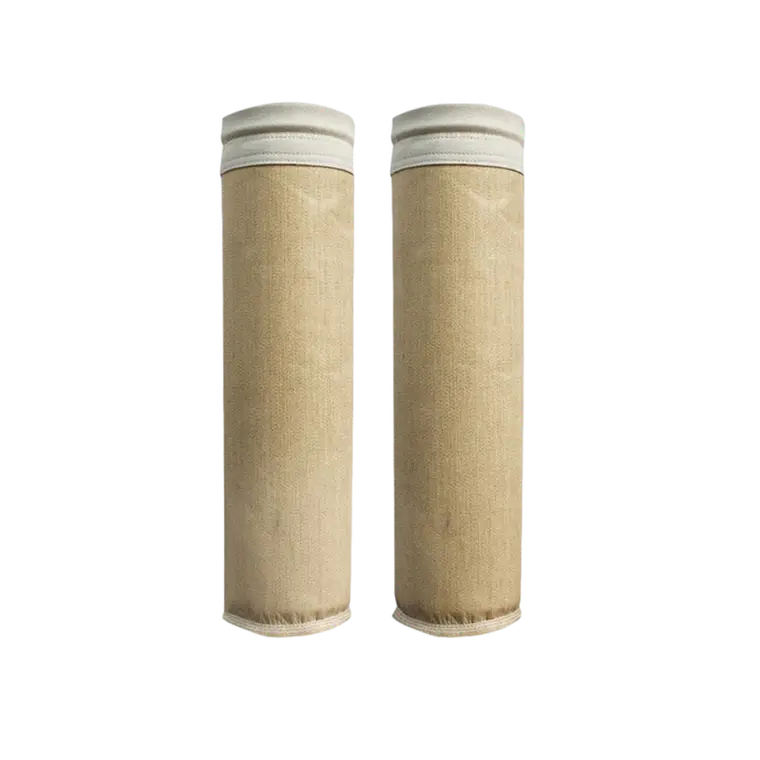
Coal-fired boilers often produce flue gases containing sulfur compounds and acidic condensates.
Under these operating conditions, PPS usually provides a longer service life because the fiber resists sulfuric acid attack more effectively.
If the boiler also experiences frequent shutdowns that create moisture inside the baghouse, PPS offers another important advantage through its superior hydrolysis resistance.
For most coal-fired power plants, PPS represents the more reliable long-term solution.
Which Filter Media Fits Biomass Boilers?
Biomass combustion produces varying gas compositions depending on fuel quality.
Boilers burning agricultural waste or biomass with relatively high chlorine content may generate acidic gases that gradually attack aramid fibers.
PPS generally performs better when chemical corrosion dominates operating conditions.
However, clean wood-fired biomass boilers operating at relatively high temperatures and low sulfur concentrations may achieve excellent performance with Nomex.
Which Filter Media Performs Better in Waste Incineration?
Municipal solid waste incinerators generate one of the most chemically aggressive flue gas environments.
Typical contaminants include:
HCl
SO₂
HF
Organic acids
Because these gases strongly challenge filter materials, PPS is commonly selected for waste-to-energy filtration systems.
Some facilities further improve durability by using PTFE membrane-laminated PPS filter bags.
When Should You Choose Nomex?
Nomex becomes the better option when thermal stress and abrasion exceed chemical corrosion.
Typical applications include:
Cement kilns
Asphalt mixing plants
Lime production
Carbon black manufacturing
Steel plants
Non-ferrous metal processing
These industries often expose filter bags to high dust loading, strong pulse cleaning, and elevated operating temperatures while producing fewer acidic gases than coal-fired boilers.
Other Factors That Influence Filter Bag Performance
Filter media alone does not determine bag life.
Engineers should also evaluate:
Flue gas chemistry
Dew point temperature
Oxygen concentration
Dust particle characteristics
Pulse cleaning pressure
Air-to-cloth ratio
Installation quality
Cage design
Surface treatment
Membrane lamination
A well-designed filtration system balances all these variables rather than relying solely on fiber selection.
Making the Right Decision
Choosing between PPS and Nomex requires a complete understanding of your boiler's operating environment.
If your system operates in an acidic, humid, or sulfur-rich atmosphere, PPS generally delivers longer service life and greater chemical stability.
If your application emphasizes higher operating temperatures, strong abrasion resistance, and relatively clean flue gases, Nomex often provides better overall performance.
Rather than selecting filter media based only on maximum temperature ratings, engineers should evaluate the complete operating profile—including flue gas composition, oxygen content, moisture levels, cleaning frequency, and expected maintenance intervals. This approach minimizes lifecycle costs while improving filtration reliability and helping facilities maintain stable emission compliance.
Frequently Asked Questions
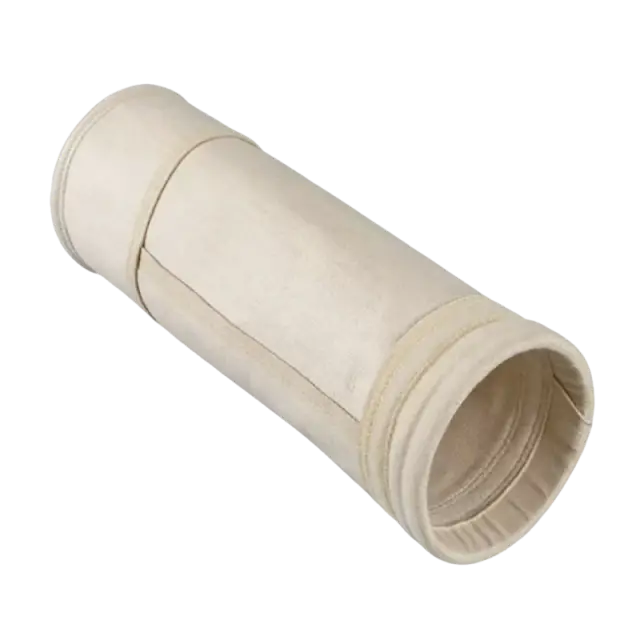
- Can PPS replace Nomex in every high-temperature application?
No. PPS performs exceptionally well in corrosive flue gas environments, but it is less resistant to oxidation than Nomex. Applications with high oxygen concentrations and minimal chemical corrosion may benefit more from Nomex.
- Which filter media lasts longer?
The answer depends on operating conditions. PPS generally lasts longer in coal-fired boilers and waste incineration systems, while Nomex often achieves a longer service life in dry, high-temperature, abrasive environments.
- Is PPS more expensive than Nomex?
Prices vary depending on fiber quality, weight, surface treatment, and manufacturing process. Although PPS may carry a higher initial cost in some markets, its longer service life in corrosive applications often results in a lower total cost of ownership.
- Can PTFE membrane improve both materials?
Yes. Laminating a PTFE membrane onto either PPS or Nomex can improve dust release, reduce pressure drop, increase filtration efficiency, and extend service life under many operating conditions.
Conclusion
There is no universally superior filter media for every high-temperature boiler. The best choice depends on how temperature, chemistry, moisture, oxygen concentration, and dust characteristics interact within your specific process.
For sulfur-rich and chemically aggressive environments, PPS offers exceptional corrosion resistance and dependable long-term performance. For high-temperature, abrasion-intensive applications with relatively clean flue gases, Nomex remains one of the industry's most trusted solutions.
Before selecting replacement filter bags, plant operators should review actual operating data rather than relying solely on temperature ratings. Matching the filter media to real process conditions will improve equipment reliability, reduce maintenance costs, and help achieve consistent emission performance over the long term.