A sudden increase in baghouse differential pressure (ΔP) is one of the most common warning signs that a dust collection system is no longer operating efficiently. Although many operators immediately suspect clogged filter bags, the reality is that elevated differential pressure can result from multiple interacting factors, including excessive dust loading, cleaning system failures, high humidity, improper air-to-cloth ratio, or even changes in production processes.
If plant personnel ignore rising differential pressure, the baghouse fan must work harder to maintain airflow, which increases energy consumption and reduces dust collection efficiency. Over time, excessive pressure drop can shorten filter bag life, decrease production capacity, and lead to unplanned shutdowns.
This guide explains how differential pressure develops inside a baghouse, what causes it to increase, and how maintenance teams can systematically diagnose and resolve the problem. Following a structured troubleshooting process helps restore stable operation while minimizing maintenance costs and protecting long-term equipment performance.
What Is Baghouse Differential Pressure?
Differential pressure (ΔP) refers to the pressure difference between the dirty-air chamber and the clean-air chamber of a baghouse. Operators usually measure it in inches of water column (in. w.c.), Pascals (Pa), or millibars (mbar).
A moderate pressure difference indicates that air passes through the filter media normally while dust remains on the surface of the filter bags. During normal operation, a thin dust cake forms on the bags and actually improves filtration efficiency. However, when the dust cake becomes excessively thick or airflow becomes restricted, differential pressure rises beyond the recommended operating range.
For most pulse-jet baghouses, a normal differential pressure typically ranges between 4 and 6 in. w.c. (1,000–1,500 Pa), although the ideal value depends on the filter media, dust characteristics, system airflow, and equipment design.
Rather than focusing on a single pressure reading, experienced maintenance engineers monitor long-term pressure trends. A gradual increase usually indicates developing maintenance issues, while a sudden spike often signals an operational problem requiring immediate attention.
Why High Differential Pressure Matters
High differential pressure affects much more than the dust collector itself. It influences the efficiency and reliability of the entire production process.
When differential pressure remains above the recommended operating range, the exhaust fan consumes more electricity to overcome airflow resistance. The reduced airflow lowers dust capture efficiency at collection points, allowing airborne dust concentrations to increase throughout the facility.
Excessive pressure also places greater mechanical stress on filter bags. The cleaning system must pulse more frequently, which accelerates fabric fatigue and shortens bag service life. In severe cases, production equipment may experience overheating because insufficient ventilation removes less process heat.
Ignoring high differential pressure often leads to:
Increased fan energy consumption
Reduced airflow throughout the system
Premature filter bag replacement
Higher compressed air usage
Greater risk of unscheduled downtime
Reduced compliance with environmental emission limits
Because these issues often develop gradually, routine monitoring provides one of the most cost-effective methods of preventing expensive repairs.
- Step 1: Verify That the Differential Pressure Reading Is Accurate
Before replacing filter bags or adjusting operating parameters, maintenance personnel should confirm that the pressure measurement itself is correct.
Pressure transmitters, impulse lines, and gauges may become blocked with dust or condensate over time. A faulty sensor can display artificially high readings even when airflow remains normal.
Technicians should inspect:
Differential pressure gauge calibration
Pressure transmitter operation
Tubing connections
Plugged sensing ports
Air leaks around pressure lines
If the pressure measurement proves inaccurate, correcting the instrumentation may immediately resolve the issue without further maintenance.
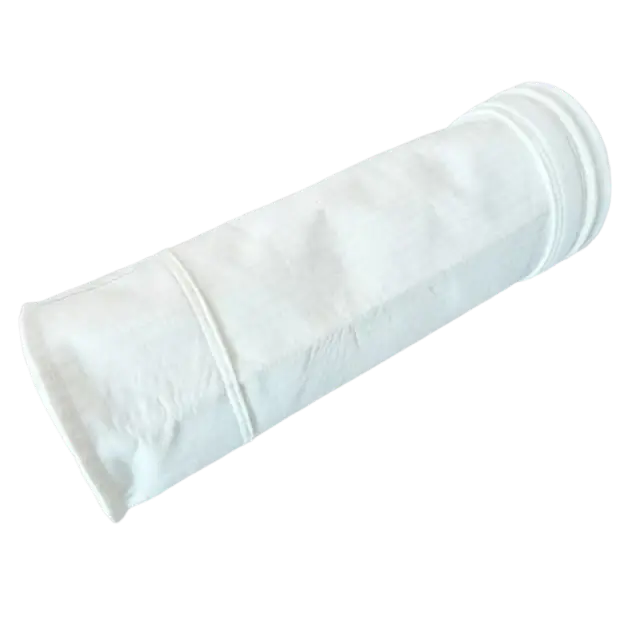
- Step 2: Inspect Filter Bags for Dust Build-Up
Filter bags remain the most common source of excessive differential pressure.
Over time, dust accumulates on the filter surface faster than the cleaning system removes it. As the dust cake thickens, airflow resistance steadily increases.
Maintenance personnel should examine whether the bags contain:
Heavy dust accumulation
Sticky material buildup
Moisture contamination
Oil residue
Hardened dust deposits
Certain dusts—including cement, lime, sugar, carbon black, wood dust, pharmaceutical powders, and hygroscopic chemicals—tend to form dense filter cakes that require more aggressive cleaning strategies.
If the filter media has become permanently blinded, replacing the bags may be the only practical solution.
- Step 3: Check the Pulse-Jet Cleaning System
A properly functioning pulse-jet cleaning system periodically removes accumulated dust before excessive pressure develops.
When the cleaning system performs poorly, differential pressure often increases continuously.
Maintenance teams should inspect the following components:
Compressed Air Pressure
Insufficient compressed air pressure reduces pulse intensity and leaves dust attached to the filter bags.
Typical operating pressure ranges between 80 and 100 psi (5.5–7 bar), depending on the baghouse design.
Solenoid Valves
Damaged or malfunctioning solenoid valves may fail to trigger cleaning pulses altogether.
Inspect for:
Electrical faults
Coil failures
Air leaks
Delayed response
Diaphragm Valves
A torn diaphragm significantly weakens the cleaning pulse.
Regular inspection prevents gradual cleaning performance degradation.
Pulse Controller
Incorrect pulse timing or pulse frequency may prevent adequate cleaning.
Operators should confirm:
Pulse duration
Cleaning interval
Sequential valve operation
- Step 4: Evaluate Dust Characteristics
Production changes often alter dust behavior without operators immediately recognizing the impact.
For example, increased moisture, finer particle sizes, or higher process temperatures may dramatically increase filter resistance.
Maintenance engineers should evaluate whether recent production changes involve:
New raw materials
Higher production rates
Increased dust loading
Sticky process dust
Condensation
Temperature fluctuations
Understanding dust properties helps determine whether operational adjustments are more effective than replacing filters.
- Step 5: Inspect for Moisture and Condensation
Moisture is one of the leading causes of persistent high differential pressure.
When warm exhaust gases cool below the dew point, condensation forms inside the baghouse. Wet dust quickly adheres to the filter media and becomes difficult for pulse cleaning to remove.
Possible moisture sources include:
Inadequate insulation
Rainwater infiltration
Steam leaks
Wet process materials
Cold startup conditions
Operators should inspect the hopper, housing, and filter bags for evidence of water or mud-like dust accumulation.
Preventing condensation often requires maintaining proper inlet temperatures and insulating ductwork.
- Step 6: Review Airflow and Air-to-Cloth Ratio
A baghouse designed for a specific airflow rate cannot efficiently process substantially higher air volumes.
If production expansion increases airflow beyond the original design capacity, filtration velocity rises and dust accumulates more rapidly than the cleaning system can remove it.
Maintenance teams should compare:
Actual airflow
Design airflow
Fan performance
Air-to-cloth ratio
System static pressure
If airflow exceeds design limits, system modifications or additional filtration capacity may become necessary.
- Step 7: Inspect Hopper Dust Discharge
Even when the filter bags remain clean, accumulated dust inside the hopper can increase differential pressure.
Dust bridges, plugged rotary valves, or malfunctioning screw conveyors may prevent continuous dust removal.
As dust levels rise, particles become re-entrained into the airflow and rapidly reload the filter bags.
Routine hopper inspections should verify:
Rotary valve operation
Screw conveyor performance
Hopper level
Dust discharge frequency
Bridging or blockage
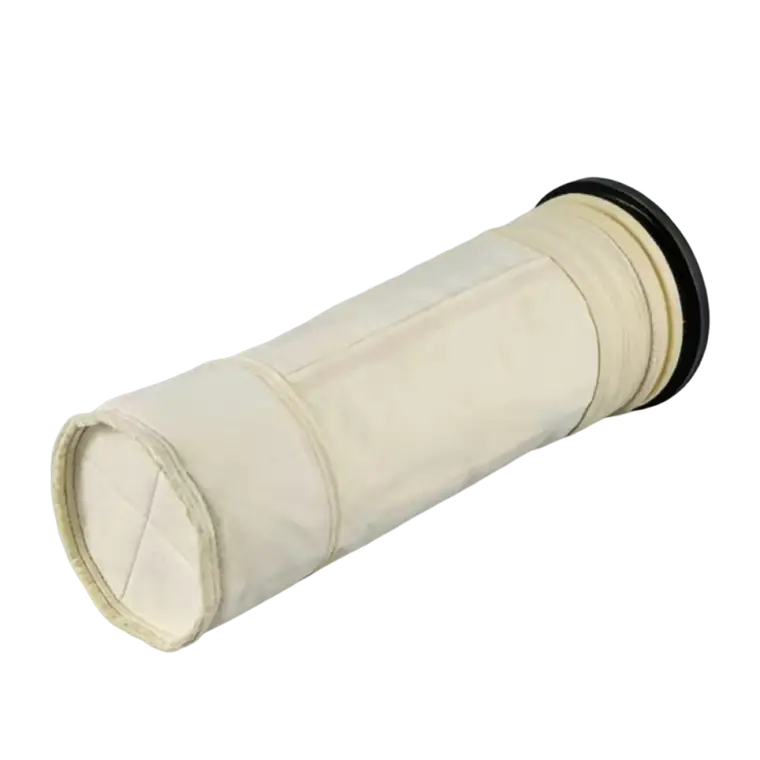
- Step 8: Consider Filter Bag Age
Filter media naturally degrades after years of service.
Repeated cleaning cycles gradually reduce permeability while increasing airflow resistance.
Signs of aging filter bags include:
Permanent high differential pressure
Reduced cleaning effectiveness
Fabric hardening
Mechanical wear
Loss of permeability
If the bags have exceeded their expected service life, replacement usually provides the most economical long-term solution.
Preventive Maintenance Best Practices
The most effective way to control differential pressure is to prevent problems before they develop.
A preventive maintenance program should include:
Recording daily differential pressure trends
Inspecting compressed air quality regularly
Checking pulse valves and solenoids on schedule
Monitoring hopper discharge equipment
Preventing moisture ingress
Replacing worn filter bags before failure
Reviewing airflow after production changes
Calibrating pressure instruments periodically
Plants that consistently follow preventive maintenance practices generally experience fewer emergency shutdowns, lower energy costs, and longer filter life.
Conclusion
High differential pressure rarely results from a single component failure. In most industrial baghouses, elevated pressure develops because several operating conditions gradually combine to restrict airflow. A disciplined troubleshooting process allows maintenance teams to identify the true root cause instead of replacing parts unnecessarily.
By verifying pressure measurements, inspecting filter bags, evaluating the pulse-cleaning system, monitoring dust characteristics, controlling moisture, reviewing airflow, and maintaining reliable dust discharge, plant operators can restore normal pressure levels and extend the service life of the entire dust collection system.
Ultimately, differential pressure should be viewed as a valuable performance indicator rather than simply a maintenance alarm. Facilities that continuously monitor pressure trends and respond early to abnormal changes can improve energy efficiency, reduce operating costs, maintain regulatory compliance, and ensure stable production for years to come.