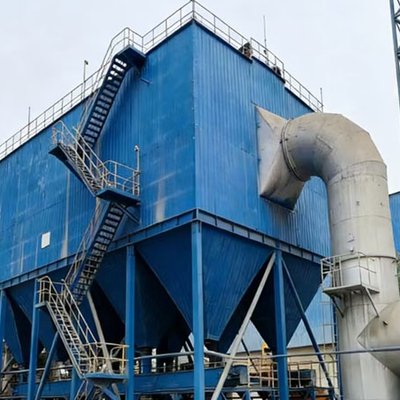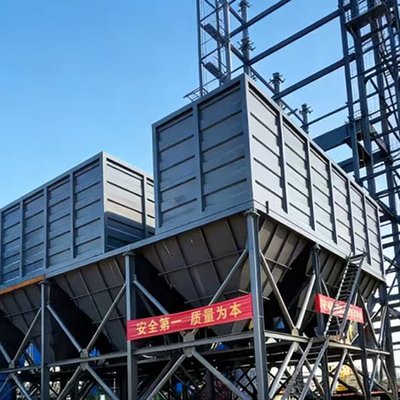
Dust collection systems play a vital role in modern cement manufacturing. Every stage of production, from raw material preparation to clinker cooling and cement grinding, generates significant amounts of airborne particulate matter. Among these processes, the kiln system creates one of the most demanding environments for filtration equipment due to its high temperatures, abrasive dust, fluctuating operating conditions, and corrosive gases.
Selecting the right dust collector filter bags is not simply a purchasing decision. The filter media directly influences emission compliance, energy consumption, maintenance frequency, production stability, and the overall operating cost of the baghouse system. Choosing unsuitable filter bags may lead to premature failures, increased pressure drop, frequent shutdowns, and expensive replacements.
This guide explains the key factors that plant engineers, maintenance teams, and procurement managers should evaluate before selecting filter bags for cement kiln applications.
Why Filter Bag Selection Matters in Cement Kilns
A cement kiln operates under conditions that are far more demanding than many other industrial processes. Filter bags continuously face:
- High operating temperatures
- Abrasive cement and clinker dust
- Alkali compounds
- Sulfur oxides (SOx)
- Nitrogen oxides (NOx)
- Moisture fluctuations
- Acid dew point corrosion
- Continuous pulse-jet cleaning
Every one of these factors affects filter bag performance and lifespan. Selecting the correct material helps maintain stable airflow while minimizing emissions and maintenance costs.
A properly matched filter bag can operate reliably for several years, whereas an unsuitable material may fail within months.
Understand Your Actual Operating Conditions First
Before selecting any filter media, operators should collect accurate process data instead of relying on general recommendations.
Important operating parameters include:
Continuous operating temperature :Determines the maximum allowable filter material
Peak temperature:Prevents thermal damage during process fluctuations
Dust concentration:Influences filtration efficiency and cleaning frequency
Particle size distribution:Affects dust cake formation
Moisture content :Determines hydrolysis resistance requirements
Gas composition:Influences chemical compatibility
Oxygen concentration:Impacts oxidation resistance
Air-to-cloth ratio:Determines filtration loading
Cleaning system:Affects mechanical durability
A comprehensive operating profile provides the foundation for selecting the most suitable filter media.
Choose the Right Filter Bag Material
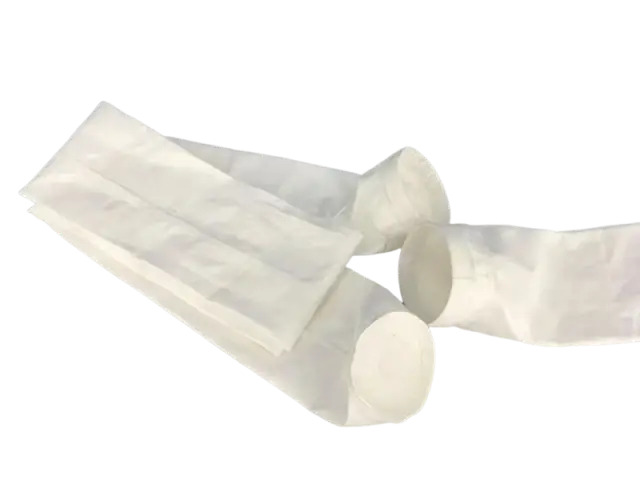
The filter fabric is the most critical decision because different materials perform differently under varying temperatures and chemical environments.
Polyester (PET)
Polyester remains one of the most economical filter materials.
Advantages include:
- Excellent mechanical strength
- Low cost
- Good wear resistance
However, polyester is generally suitable only for operating temperatures below approximately 130°C. Cement kiln exhaust gases usually exceed this limit, making polyester unsuitable for direct kiln applications.
Typical applications include:
- Cement grinding
- Packing plants
- Material conveying systems
Aramid (Nomex)
Aramid filter bags are widely used in medium-to-high temperature environments.
Benefits include:
- Continuous operation around 200°C
- Good abrasion resistance
- Excellent dimensional stability
- Long service life
Aramid performs well in many kiln baghouses where temperatures remain relatively stable.
PPS (Polyphenylene Sulfide)
PPS offers outstanding chemical resistance.
It performs particularly well when flue gases contain:
- Sulfur dioxide
- Sulfur trioxide
- Acidic compounds
PPS filter bags provide:
- High chemical stability
- Excellent acid resistance
- Reliable performance under moderate temperatures
Many cement plants choose PPS when sulfur content is relatively high.
PTFE
PTFE is considered one of the highest-performance filtration materials available.
Its advantages include:
- Exceptional chemical resistance
- Excellent temperature resistance
- Outstanding anti-stick performance
- Superior release of dust cake
- Extremely long service life
Although PTFE filter bags require a higher initial investment, many cement plants achieve lower lifecycle costs because of reduced maintenance and longer replacement intervals.
Fiberglass Filter Bags
Fiberglass remains a popular choice for high-temperature cement kiln applications.
Key benefits include:
- Excellent heat resistance
- Low thermal expansion
- Stable filtration performance
- High dimensional stability
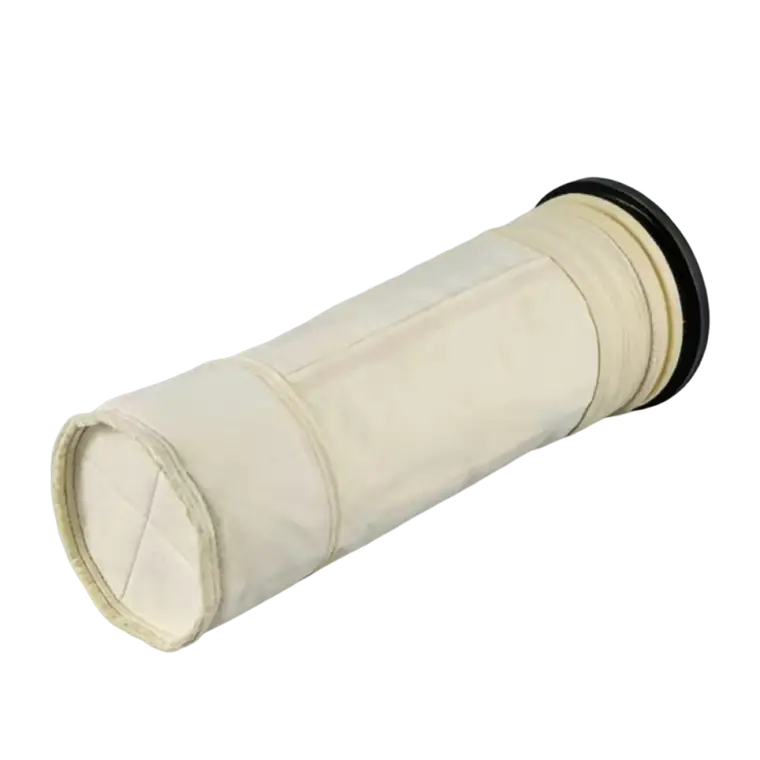
Modern fiberglass filter bags often receive PTFE membrane lamination or chemical surface treatment to improve durability and dust release.
Consider Temperature Resistance Carefully
Temperature is often the first factor engineers evaluate.
However, maximum temperature ratings alone do not provide sufficient guidance.
Instead, operators should consider:
- Continuous operating temperature
- Short-term peak temperatures
- Temperature fluctuations
- Start-up conditions
- Emergency shutdown conditions
Repeated thermal cycling often causes more damage than consistently high temperatures.
Selecting filter bags with adequate safety margins helps reduce the risk of premature aging.
Evaluate Dust Characteristics
Cement dust differs significantly from dust generated in many other industries.
Typical cement kiln dust contains:
- Limestone particles
- Silica
- Clinker
- Fly ash
- Alkali salts
- Unburned materials
The dust is often highly abrasive.
Abrasive particles gradually wear the filter surface during pulse cleaning and continuous airflow.
For highly abrasive environments, engineers should prioritize:
- Higher fabric density
- Reinforced construction
- Strong seam design
- Wear-resistant finishes
Analyze Chemical Exposure
Flue gas chemistry has a major influence on filter bag durability.
Depending on raw materials and fuels, cement kilns may generate:
- Sulfur compounds
- Chlorides
- Fluorides
- Nitrogen oxides
- Acid gases
- Alkali vapors
Some filter materials withstand acidic environments exceptionally well, while others perform better under alkaline conditions.
Understanding the actual gas composition prevents unexpected chemical degradation.
Pay Attention to Moisture and Dew Point
Moisture frequently contributes to premature filter failure.
When gas temperatures fall below the acid dew point, condensation forms inside the baghouse.
This condensation can lead to:
- Acid corrosion
- Filter blinding
- Mud formation
- Increased differential pressure
- Reduced filtration efficiency
Maintaining appropriate operating temperatures and selecting hydrolysis-resistant filter media help minimize these risks.
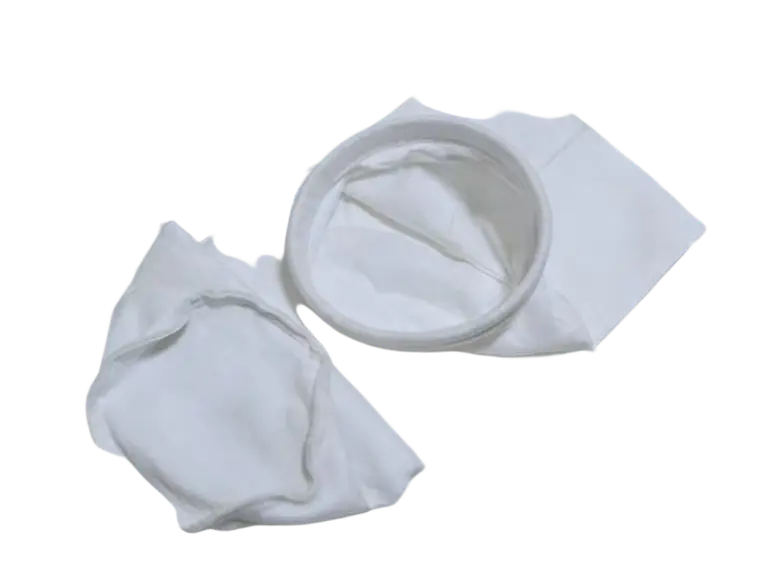
Surface Treatments Can Improve Performance
Modern filter bags often include specialized surface treatments that enhance filtration efficiency and durability.
Common treatment options include:
- PTFE membrane lamination
- Singeing
- Calendaring
- Heat setting
- Water and oil repellency
- Anti-static treatment
For example, PTFE membrane filter bags create a surface filtration layer that captures fine particles more effectively while reducing dust penetration into the fabric. This design typically lowers cleaning resistance and helps maintain a more stable pressure drop over time.
Consider the Complete Cost of Ownership
The lowest purchase price rarely delivers the lowest operating cost.
When evaluating filter bags, decision-makers should compare:
- Initial purchase cost
- Installation expenses
- Expected service life
- Energy consumption
- Cleaning efficiency
- Downtime risk
- Replacement frequency
- Maintenance labor
A premium filter bag that lasts twice as long may significantly reduce overall maintenance costs and production interruptions.
Lifecycle cost analysis provides a more accurate basis for investment decisions than purchase price alone.
Work with an Experienced Filter Bag Manufacturer
Reliable manufacturers do more than supply filter bags. They also help customers identify the most suitable solution for their specific operating conditions.
An experienced supplier typically provides:
- Material selection guidance
- Process analysis
- Custom bag dimensions
- Surface treatment recommendations
- Installation support
- Failure analysis
- Performance optimization
- Technical after-sales service
A collaborative approach helps reduce operational risks and ensures that the filtration system delivers consistent long-term performance.
Common Mistakes to Avoid
Many premature filter bag failures can be traced to avoidable selection errors.
Some of the most common mistakes include:
- Selecting filter media based only on price
- Ignoring peak operating temperatures
- Overlooking chemical compatibility
- Using incorrect air-to-cloth ratios
- Neglecting moisture and dew point conditions
- Choosing unsuitable surface treatments
- Purchasing standard bags for highly abrasive applications
Avoiding these mistakes can significantly improve filter bag reliability and extend maintenance intervals.
Conclusion
Choosing the right dust collector filter bags for cement kilns requires a thorough understanding of the plant's operating conditions rather than relying on generic product specifications. Temperature, dust characteristics, gas chemistry, moisture levels, filtration velocity, and cleaning methods all influence long-term performance.
By carefully evaluating these factors and partnering with an experienced filtration supplier, cement manufacturers can improve dust collection efficiency, reduce maintenance costs, extend filter bag service life, and maintain compliance with increasingly stringent environmental regulations. A well-designed filtration solution not only protects equipment and production continuity but also supports sustainable and efficient cement manufacturing for years to come.