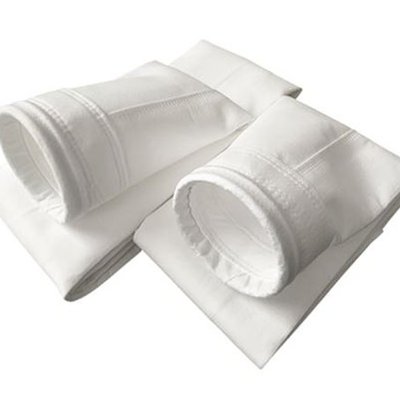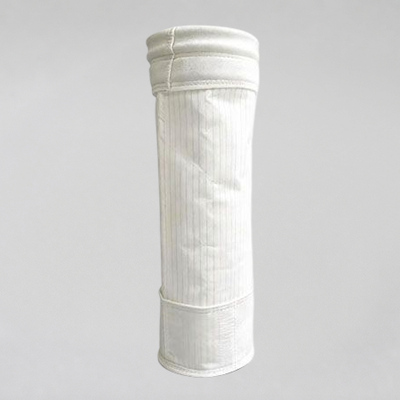
1.Filter bags keep burning out frequently, even though the temperature reading is normal?
High-temperature flue gas carries unburnt sparks or coke particles; while the thermometer shows a normal reading, the sparks directly burn holes through the filter bags.
Solution: Install upstream flame arrestors or spark catchers and implement online spark monitoring to intercept high-temperature particles before they reach the bags.
2.Newly installed bags develop burn holes after just a few days of use?
Localized dust accumulation combined with secondary combustion is the most critical issue.
Spontaneous combustion of accumulated dust in hoppers or ducts, or smoldering dust (such as pulverized coal or tar-laden particles), creates hot spots that burn directly through the bags.
Solution: Regularly empty dust hoppers to prevent accumulation; for dust prone to spontaneous combustion, use inert gas protection or continuous dust removal.
3.Bags burn out during operational fluctuations or boiler startup/shutdown?
Sudden temperature changes and uncontrolled overheating are common risks.
During startup, shutdown, or sudden load changes, flue gas temperatures can spike instantly; if cooling lags or alarms are delayed, filter bags may shrink, melt, or burn.
Solution: Install an overheat alarm system combined with automatic water-spray or air-mixing cooling; implement temperature interlocks to automatically cut off flue gas flow or activate cooling measures when overheating occurs.
4.Why do high-temperature filter bags still burn out frequently?
Mismatched materials and a lack of upstream protection render the choice ineffective.
Focusing solely on temperature resistance while ignoring sparks, corrosion, and dust properties—or lacking upstream flame arrestors and spark catchers—means even expensive high-temperature bags cannot withstand direct scorching.
Solution: Conduct an operational condition assessment first to select the appropriate material (e.g., PPS or PTFE-coated fiberglass); simultaneously implement upstream flame arrestor and cooling measures to establish a dual-layer safeguard of "material + protection."